



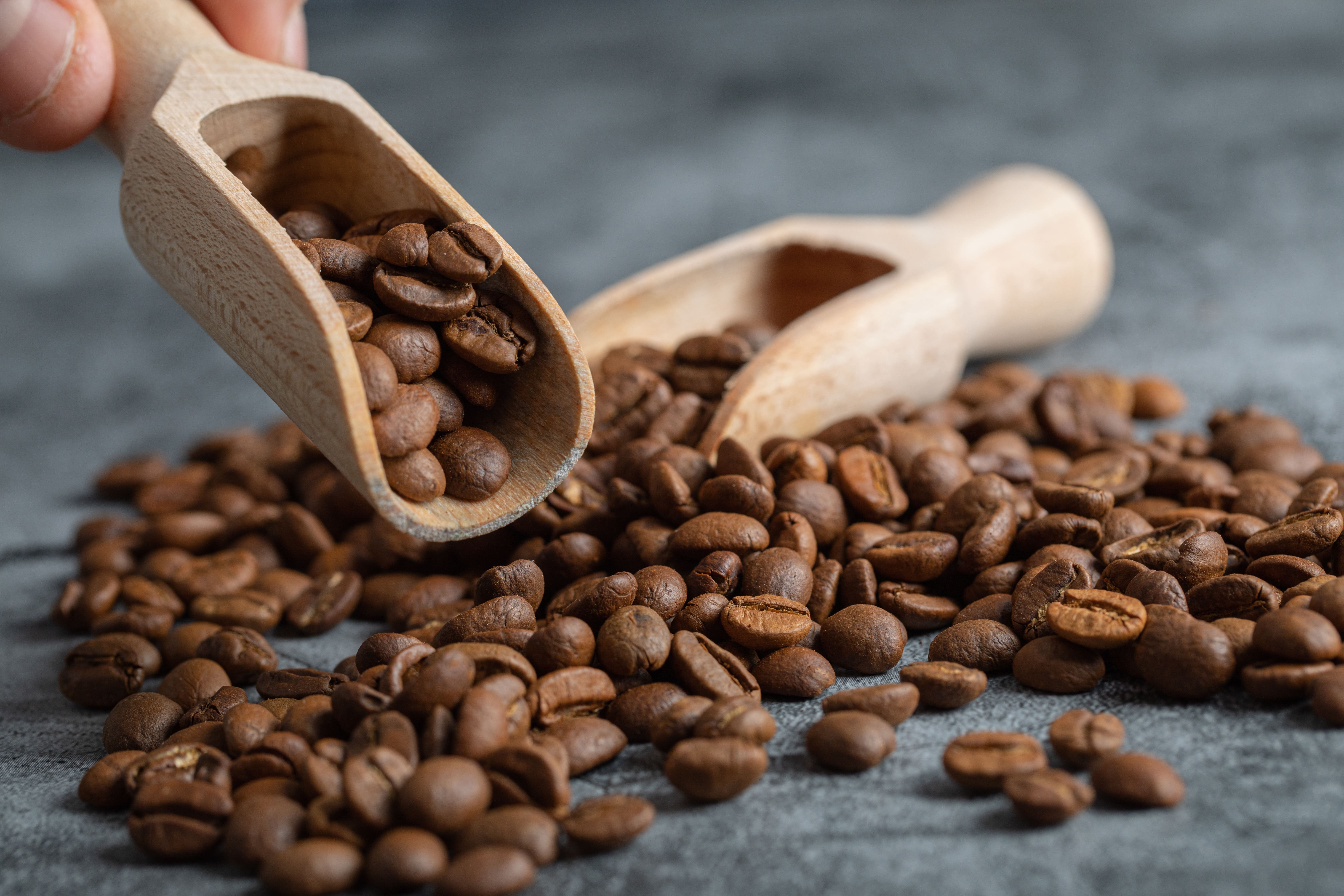
Description
Two species dominate production: Arabica and Robusta. Arabica is grown mainly at higher elevations and is celebrated for complexity, acidity, and aromatic nuance; Robusta is cultivated at lower elevations and valued for body, crema, and resilience. Indonesia produces both in significant volumes, supplying specialty markets with single‑origin lots and commercial markets with robusta for blends and soluble coffee. The country’s geography—volcanic soils, equatorial climate, and mountainous islands—creates numerous microclimates that allow producers to cultivate a wide palette of flavors.
Arabika Speciality Semi Wash
A high‑altitude Arabica processed with a semi‑washed method that preserves sweetness and body while offering a clear cup profile suitable for espresso and blends. Expect soft, low‑bitter earthy aromatics with sweet, brown‑sugar and nutty notes; a high acidity and full body make it ideal for premium espresso and specialty blends. Beans are grown at 1,100–1,700 masl depending on grade and dried on raised beds to develop consistent hardness and cup quality.
Arabika Speciality Full Wash
A fully washed Arabica emphasizing clarity, brightness, and floral‑fruity complexity. The wet fermentation and extended washing produce clean cups with floral, citrus and caramel notes in top grades, and balanced fruity sweetness in mid grades. Full‑wash lots are best for specialty filter coffee, house blends and espresso, grown at 1,100–1,500 masl and dried on raised or sun beds to achieve stable moisture and roast performance.
| Parameters | Grade 1 | Grade 2 | Grade 3 |
|---|---|---|---|
| Grade | 1 | 2 | 3 |
| Origin | West Java | West Java | West Java |
| Species | Arabica | Arabica | Arabica |
| Variety | Sigararutang, Lini S | Sigararutang, Lini S | Sigararutang, Lini S |
| Altitude | 1,200–1,500 masl | 1,200–1,400 masl | 1,100–1,300 masl |
| Process Method | Semi‑Washed | Semi‑Washed | Semi‑Washed |
| Fermentation | Dry 24–36 hrs | Dry 18–24 hrs | Dry 12–18 hrs |
| Drying Method | Covered raised beds | Raised beds | Sun‑dried beds |
| Drying Time | 14–18 days | 12–16 days | 10–14 days |
| Screen Size | 17–18 | 16–17 | 15–16 |
| Moisture Content | 11.5% | 11.5% | 12% |
| Hardness | Medium‑Hard | Medium‑Hard | Medium |
| Color Index (Agtron) | 58–63 | 55–60 | 53–58 |
| Cup Score | ±84.0 | ±82.0 | ±80.0 |
| Notes | Sweet; brown sugar; nutty | Nutty; smooth; medium acidity | Earthy; cocoa; mild acidity |
| Defect | < 8% | 8–12% | 12–25% |
| Usage | Premium espresso; blend | Espresso blend; medium roast | Commercial blend; instant |
| Parameters | Grade 1 | Grade 2 | Grade 3 |
|---|---|---|---|
| Grade | 1 | 2 | 3 |
| Origin | West Java | West Java | West Java |
| Species | Arabica | Arabica | Arabica |
| Variety | Sigararutang, Lini S | Sigararutang, Lini S | Sigararutang, Lini S |
| Altitude | 1,200–1,500 masl | 1,200–1,400 masl | 1,100–1,300 masl |
| Process Method | Fullwashed | Fullwashed | Fullwashed |
| Fermentation | Wet 24–36 hrs | Wet 18–24 hrs | Wet 12–18 hrs |
| Drying Method | Covered raised beds | Raised beds | Sun‑dried beds |
| Drying Time | 14–18 days | 12–16 days | 10–14 days |
| Screen Size | 17–18 | 16–17 | 15–16 |
| Moisture Content | 11.5% | 11.5% | 12% |
| Hardness | Medium‑Hard | Medium‑Hard | Medium |
| Color Index (Agtron) | 60–65 | 58–63 | 55–60 |
| Cup Score | ±85.0 | ±83.0 | ±81.0 |
| Notes | Floral; citrus; caramel; clean cup | Fruity; sweet; balanced acidity | Earthy; sweet‑spice; lower brightness |
| Defect | < 8% | 8–12% | 12–25% |
| Usage | Specialty filter coffee | House blend; espresso | Espresso blend; commercial roast |
Robusta is a bold, full‑bodied coffee processed naturally to preserve dense chocolatey and earthy character with low acidity and pronounced mouthfeel. Its aroma is typically deep and toasty, with dark cocoa, roasted nuts, and subtle caramel notes; when roasted darker it develops a syrupy sweetness and thick crema that make it an excellent component for espresso blends. The bean’s natural processing and shorter fermentation windows emphasize body and consistency rather than bright acidity, producing a dependable base that enhances blend structure and crema stability. Graded into premium and commercial lots, Robusta offers distinct use cases: top‑grade lots deliver cleaner chocolate and nutty notes with lower defect counts and are suited for specialty robusta blends and crema‑forward espresso formulations; mid‑grade lots provide balanced earthy‑nutty flavors ideal for house blends and soluble coffee production; lower‑grade lots are optimized for bulk blending and instant coffee where cost‑efficiency and consistent roast behavior are priorities. Across grades, screen sizing and defect sorting are used to improve uniformity and roast predictability, while moisture targets around 11.5–13% help ensure shelf stability and consistent development during roasting. For roasters, Robusta responds well to slightly longer development times to reduce vegetal bitterness and to bring forward chocolate and caramel notes; medium‑dark to dark roast profiles typically highlight body and sweetness, while medium roasts can preserve more of the bean’s natural nuttiness for blended applications. In formulation, small percentages of high‑quality Robusta can significantly increase crema, body, and perceived sweetness in Arabica blends without overpowering delicate aromatics, making it a strategic ingredient for espresso houses and commercial blenders alike. From a commercial perspective, Robusta’s strengths are reliability, yield, and cost‑performance: it provides predictable cup characteristics, robust extraction behavior for espresso and soluble processes, and flexible packaging options to suit specialty or industrial supply chains. Buyers looking for intensity and mouthfeel will favor higher‑grade lots; those prioritizing volume and price stability will find mid and lower grades better aligned with instant and bulk production needs.